
Blood on the Roads
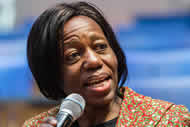
Bright Oywaya
Vice Chair - NTSA
“In much of the world road traffic is out of control. It represents part of development that should improve our lives but instead people are being injured and killed”.
Pamoja Advice: Pedestrians and passengers alike need to learn the value of taking personal responsibility for their own road safety and lives.


| Road Safety |
|
Road safety is every road users" responsiblity. Pamoja Road Safety Initiative is a public forum for anyone with ideas on how we can reduce road deaths. It is YOUR platform not OUR organization. We are happy to moderate and guide your idea. WE are not a "helping" organization but a solution seeking forum open to any solution focused ideas. Each year, more than 1.25 million people die on the world’s roads and tens of millions are seriously injured. Road traffic crashes are currently the number one killer of young people aged 15–29 and the eighth leading cause of death among all people worldwide. As countries develop and acquire more and more motorized vehicles, road traffic crashes are projected to become the fifth leading cause of death globally by 2030. Low-income and middle-income countries like Kenya have higher road traffic fatality rates (21.5 and 19.5 per 100,000 population, respectively) than high -income countries (10.3 per 100,000). Over 90% of the world's fatalities on the roads occur in low -income and low-income countries, which have only 48% of the world's registered vehicles. Alongside the devastation that road traffic crashes impose on victims’ families and loved ones, traffic crashes take a tremendous toll on the economy. Each year, developing countries lose between 1% and 3% of their gross domestic product (GDP) due to medical costs, productivity losses, and other expenses resulting from deaths and injuries on the road, which is more than most of them receive in development aid. Thankfully, these consequences are preventable and NGOs play a critical role in reducing the impact of road traffic crashes around the world. Learn more about the global challenge, and the challenge in your country: |